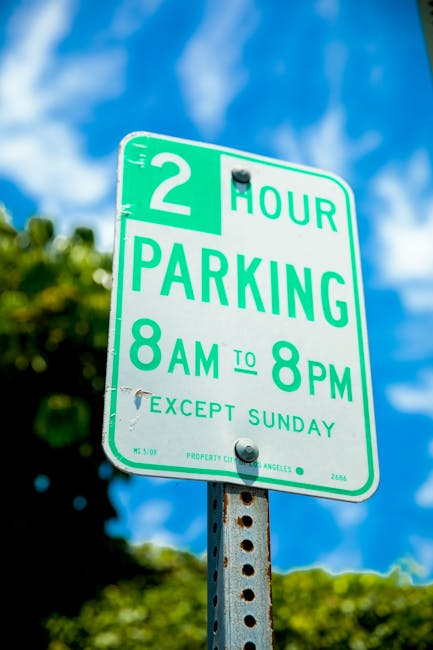
Hammersmith council permit rules for parking during removals

If you are moving house or relocating a business in west London, parking can make or break the day. The Hammersmith council permit rules for parking during removals affect where the van can stop, how long it can stay, and whether the crew can load without racing the clock. Miss the rules and you can end up with delays, stressed neighbours, or a fine no one wanted. Get it right and the whole move feels calmer. Not glamorous, but very real.
This guide walks you through the practical side of parking permission, suspension-style arrangements, loading bays, and the little planning decisions that save a lot of hassle. It is written for people who want a clear answer, not council jargon. And yes, we will keep it grounded in everyday moving-day reality.
Why Hammersmith council permit rules for parking during removals Matters
Parking is not just a side issue during a move. In Hammersmith and the wider London environment, kerb space is often tight, time-limited, and heavily used. That means a removal van parked "just for a minute" can still become a problem if it is in the wrong place or blocking access. You can feel the pressure almost immediately: neighbours waiting to get out, the lift running late, boxes still in the hallway, and the driver checking the clock.
Understanding the local parking rules matters because removals usually need more than a standard car parking spot. Vans may need enough room for loading ramps, access to the front door, and space to stand while furniture is moved. If the vehicle is too far away, the team wastes time. If it is parked unlawfully, the whole day can unravel. To be fair, nobody wants to haul a wardrobe two streets because the van was placed badly.
For families using home moves, the risk is usually time and stress. For businesses arranging office removals, the risk can be wider: missed building access windows, interrupted staff flow, or awkward delays at reception. That is why parking planning should be treated as part of the move itself, not an afterthought.
Expert takeaway: the best removal day is usually the one where the van can park legally, load close to the entrance, and leave without drama. Everything else is just noise.
How Hammersmith council permit rules for parking during removals Works
In practice, parking permission for removals often comes down to one of three things: a permit for the vehicle, a temporary parking arrangement, or a designated loading space that is available at the right time. The exact setup depends on the street, the type of bay, and local restrictions. A single yellow line, a resident permit bay, a shared-use space, or a loading bay all behave differently. That sounds obvious, but on moving day it is very easy to get caught out.
The council normally expects parking to follow the published restrictions for the street. That means checking whether the van can wait, whether loading is permitted, and whether any special suspension or dispensation is needed. If your move involves a larger vehicle, the rules can be stricter because a long van or removal truck can block sightlines or take up multiple spaces. In our experience, the vehicle size matters as much as the street itself.
For some moves, a permit may be tied to the vehicle registration and the exact date and location. For others, the council may require advance notice or a temporary bay suspension. The practical point is simple: do not assume a standard parking space will be fine. When a mover arrives and there is nowhere legal to stop, the schedule starts slipping straight away.
If you are hiring support from a specialist removal company, ask early how they handle parking planning. A reliable crew will think about access, bay layout, and timing before the first box is lifted. That is the kind of detail that separates a smooth move from a sweaty, slightly chaotic one. And let's face it, moving day has enough drama already.
Key Benefits and Practical Advantages
Sorting the parking side properly gives you more than compliance. It improves the whole move in ways that are easy to underestimate until you experience them.
- Less delay: the crew starts loading closer to the property, which saves repeated walking.
- Lower risk of fines: a correct parking arrangement reduces the chance of enforcement action.
- Better protection for items: fewer trips across busy pavements means less bumping, dropping, or scuffing.
- Cleaner neighbour relations: a van parked legally is much easier to explain than a van sitting awkwardly across a dropped kerb.
- More accurate timing: the moving schedule becomes more predictable, especially for timed building access.
There is also a quieter benefit: peace of mind. When people know the van can stop where it should, the whole day feels more manageable. Boxes seem less intimidating. The kettle gets used with a little less desperation. Small thing, but it matters.
For people comparing services, this is one reason many choose organised, local support such as man and van options for lighter moves or removals for fuller household jobs. The vehicle, crew size, and parking plan all need to match the move, not just the address.
Who This Is For and When It Makes Sense
These parking rules matter to almost anyone moving in or out of Hammersmith, but some people need to pay extra attention.
Home movers
If you are leaving a flat, terrace, or mansion block, street space is often the limiting factor. That is especially true if the building has no driveway, the lift is small, or the front entrance is on a busy road. Home movers often discover that the van is the easiest part; the parking is the tricky bit.
Office relocations
Businesses usually face tighter timing. A reception desk, shared loading area, or management rules in the building can all affect where the vehicle can stop. For that reason, office relocation services should always be paired with a parking plan that works for staff, building management, and the council setting.
People using larger vehicles
If you need a bigger van or truck, the parking arrangement becomes more important. A larger vehicle may need more road width, more loading time, and better access angles. It is not just about fitting in; it is about fitting in safely.
Busy streets and permit-heavy zones
If your street is already crowded with resident bays or timed restrictions, you probably need to plan ahead. Even a short move can become awkward if the van has to circle for parking while everyone else is watching the clock.
Sometimes the simplest answer is to book a team that knows local access patterns well. If you are comparing options, pages like removal services and movers can help you assess the level of support you need, especially where parking is likely to be tight.
Step-by-Step Guidance
Here is the cleanest way to approach parking for a removal in Hammersmith without making it a weekend-long headache.
- Check your street conditions early. Look at the bay type, time restrictions, resident permit signs, and loading allowance. Do this well before packing day.
- Measure the practical access. It is not enough to know the address. Think about the entrance, kerb height, narrow corners, and whether the vehicle can stop near the door.
- Confirm the vehicle type. A small van, medium van, and truck are not interchangeable. The parking solution should match the size of the vehicle you are actually using.
- Ask whether a permit, dispensation, or suspension is needed. Some streets need formal permission for non-standard parking or for occupying bays during loading.
- Book the parking arrangement with enough lead time. Last-minute requests are where people get stuck. A few days can make a big difference.
- Share the details with the removal team. Give them the exact address, any access notes, floor level, and the parking situation. Do not assume they will know from memory. They probably won't.
- Prepare the property for quick loading. Keep hallways clear, label key items, and make sure furniture can come out without a long shuffle at the front door.
- Have a backup plan. If the intended space is unavailable, decide in advance where the van can legally stop nearby.
A sensible move day is usually a sequence of little confirmations. Bit by bit, the uncertainty drops away. That is the goal.
Expert Tips for Better Results
People often focus on boxes and tape, but in local removals the parking plan is one of the strongest predictors of a calm day. A few practical tips make a real difference.
- Think in time windows, not just addresses. If the property has limited loading time, build your schedule around that window instead of hoping it will stretch.
- Choose the closest legal stop, not the closest possible stop. A van parked illegally is not "convenient"; it is a risk.
- Watch school runs and commuter peaks. Streets can feel very different at 8am, midday, and late afternoon.
- Tell neighbours if the move may affect access. A polite heads-up can save awkward exchanges at the kerb.
- Use the right service level. A light move may suit man with van support, while heavier or more complex jobs may need a larger moving van.
One small, slightly nerdy tip: keep a printed or saved note with the parking instructions, contact numbers, and any building entry codes. You would be surprised how often that one bit of paper saves ten minutes of head-scratching. Maybe twenty.
If the move also involves fragile or awkward items, parking matters even more because the loading pace slows down. In those cases, extra support from packing and unpacking services can reduce the number of trips and keep the front entrance clear.
Common Mistakes to Avoid
Most parking problems during removals come from simple assumptions. The frustrating part is that they are all avoidable.
- Leaving parking to the morning of the move. That is when options shrink and stress rises.
- Assuming a loading bay is always usable. Time limits, business-hour rules, and local restrictions still apply.
- Using a vehicle that is too large for the street. A bigger van is not always better.
- Not checking whether the bay is suspended or reserved. A space can look free and still be off-limits.
- Forgetting building rules. Some properties also require notice or access approval.
- Ignoring the return journey. It is one thing to park for loading; it is another to find a legal place for unloading at the destination.
The sneaky mistake, though, is underestimating time. A move that seems straightforward can expand quickly if the van is parked too far away or has to relocate twice. No one likes that slow, awkward shuffle of furniture across a pavement while a bus rolls past. Not ideal.
Tools, Resources and Recommendations
You do not need a complicated system to manage this well. A few simple tools and habits are enough.
- Site notes: write down entrance details, stair access, lift availability, and parking observations.
- Phone photos: take pictures of bay signs and the property frontage so you can refer back later.
- Move-day timeline: note loading time, departure time, and the latest time the vehicle can remain in place.
- Inventory list: keep a basic list of larger items so the loading order makes sense.
- Service comparison: if you are weighing different levels of help, compare a dedicated removal company against a lighter man and van removals approach.
For homeowners, it can also help to review the structure of the move itself. A bigger household may need a full house removals service, while a smaller flat move may be better suited to house movers with a compact vehicle. Matching the service to the parking reality is the smart play.
And if you are early in the planning stage, it is worth checking practical pages such as pricing and quotes and contact us so you can get an idea of the right support for your move. No drama, just clearer planning.
Law, Compliance, Standards, or Best Practice
Parking during removals sits at the crossroads of road rules, local parking controls, and practical access management. The safest approach is to treat every restriction as real until you have checked otherwise. If a bay says resident permit only, loading only, or limited waiting, assume that matters. Because it does.
From a best-practice standpoint, the moving team should:
- use a vehicle suitable for the street and property access,
- avoid blocking crossings, junctions, or emergency access,
- respect time limits and permit conditions,
- plan for safe loading and unloading without forcing pedestrians into unsafe detours,
- communicate clearly with the customer about any restrictions.
That is especially important in London, where streets are often narrow and enforcement is active. You do not need to become a parking-law expert, but you do need to work with the rules rather than around them. There is a difference.
Good operators also keep safety and insurance in mind, which is why it makes sense to review pages like insurance and safety and health and safety policy when choosing a provider. That might sound a bit formal, but it is the kind of detail that matters if something awkward happens on the day.
Options, Methods, or Comparison Table
Different moves need different parking strategies. Here is a simple comparison to help you choose the most realistic route.
| Option | Best for | Pros | Watch-outs |
|---|---|---|---|
| Standard legal parking bay | Simple moves with enough space and time | Easier to arrange, usually straightforward | May be too far from the entrance or time-limited |
| Loading bay | Moves with quick loading and unloading | Close to the property, practical for heavy items | Strict time rules can still apply |
| Temporary bay suspension or special arrangement | Busy streets or larger removals | Can create the space you actually need | Needs more planning and may involve extra administration |
| Smaller van and shorter loading window | Light moves, flats, or flexible schedules | More manoeuvrable, often easier in tight streets | May need multiple trips if the load is larger than expected |
There is no single perfect answer. A compact van with a well-planned route can beat a bigger vehicle that sits too far away. On the other hand, a bigger move may justify the extra effort needed for a formal arrangement. The right choice depends on the property, the road, and how much you are moving. Simple, really. Well, simple-ish.
Case Study or Real-World Example
Picture a family moving from a first-floor flat in Hammersmith on a narrow residential street. They have a sofa, beds, a few heavy boxes, and a deadline to hand back the keys by late afternoon. At first glance, they think any van should be fine. Then they notice the street is lined with resident bays and the closest legal spot is several doors away.
They could have left it at that and hoped for the best. Instead, they checked the parking conditions early, chose a vehicle size that could actually fit the road, and made a loading plan with the crew. The team kept the front entrance clear, loaded the heavier items first, and reduced the number of trips by grouping boxes by room. The result? Less waiting, fewer apologies to passers-by, and no frantic last-minute parking hunt.
That kind of move is not dramatic, and that is the point. The best day is the one that feels almost boring because everything has already been thought through. If you have ever moved in drizzle while juggling a lamp, you know exactly what I mean.
Practical Checklist
Use this before moving day. Tick it off once, then tick it again if you are the cautious type.
- Check the street parking signs outside both properties.
- Confirm whether a permit, dispensation, or loading arrangement is needed.
- Match the vehicle size to the street width and access conditions.
- Tell the removal team about any tight corners, steps, or lift restrictions.
- Plan where the van will stop if the first choice is unavailable.
- Keep the front entrance and hallway clear for fast loading.
- Notify neighbours if access may be temporarily affected.
- Prepare a backup plan for unloading at the destination.
- Save any confirmation details, notes, or parking instructions in one place.
- Recheck timing on the morning of the move. Streets change fast.
If you are using professional help, ask whether they also handle broader moving support such as removal van hire or moving truck options. The right vehicle and the right parking setup usually go hand in hand.
Get a free quote today and see how much you can save.
Conclusion
The Hammersmith council permit rules for parking during removals are really about one thing: keeping your move legal, efficient, and less stressful than it needs to be. If you plan the parking properly, the rest of the day usually follows more smoothly. If you ignore it, even a well-packed house can feel like a muddle.
The safest approach is straightforward. Check the road restrictions, match the vehicle to the street, give yourself enough lead time, and keep the moving team fully informed. That is where confidence comes from. Not luck, not guesswork, just decent planning.
And if you are still at the stage of comparing move support, it may help to explore the company's background on about us and the practical service pages for your type of move. A bit of prep now can save a surprisingly emotional amount of stress later. Moving day has enough going on already.
Frequently Asked Questions
Do I need a permit for parking during a removal in Hammersmith?
Not always, but often you will need some form of parking arrangement depending on the street, bay type, vehicle size, and how long the van needs to stay. Check the local restrictions before assuming a space is available.
Can a removal van use a resident parking bay?
Sometimes, but only if the rules for that bay allow it. Many resident bays have strict conditions, so the safest answer is to verify the signage and any local permissions before the move.
What happens if the van cannot park outside my property?
The crew may need to park in a nearby legal space and carry items a longer distance. That can slow the move, so it is better to plan an alternative legal stopping point in advance.
How far in advance should I deal with parking arrangements?
As early as possible. Parking is one of those things that feels easy until the moving date gets close. Leaving it to the last minute can narrow your options fast.
Are loading bays always available for removals?
No. Loading bays often have time limits or usage rules. A bay that looks ideal may still be restricted during certain hours, so do not rely on appearance alone.
What size van is best for narrow Hammersmith streets?
That depends on the property, the load, and the street layout. In many cases, a more manoeuvrable vehicle is better than a larger one that struggles to park legally or safely.
Can office moves use the same parking approach as house moves?
Not quite. Office relocations often involve tighter schedules, building management rules, and access windows, so they usually need a more structured parking plan.
What details should I give the removal company?
Share the full address, parking restrictions, bay type, floor level, lift access, and any likely obstacles. The more accurate the information, the less likely you are to get a nasty surprise on the day.
Will parking problems delay the whole move?
They can. Even a short delay at the start can affect loading times, especially if the van has to keep moving or if the access point is farther away than planned.
Is it worth using a smaller service like man and van?
If your move is light or flexible, yes, it can be a sensible choice. Smaller services are often easier to manage in tight streets, especially when parking is limited.
Where can I find broader moving support beyond parking advice?
You can look at the available service pages for the move type you need, such as home moves, commercial moves, or the main removals near me option if you are still comparing help.
What is the biggest mistake people make with removal parking?
The biggest mistake is assuming there will be space available on the day. Parking in London is often tighter than people expect, and the difference between a smooth move and a stressful one can be a few minutes of planning.
Small details matter here. Get the parking right, and the rest tends to breathe a bit easier.