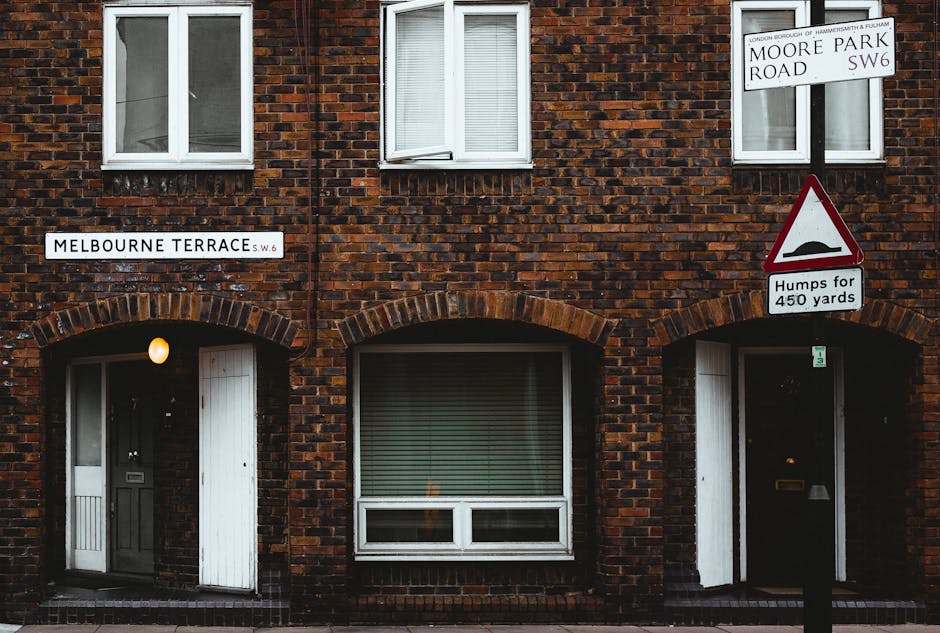
Access restrictions narrow streets Hammersmith removals: a practical guide to moving on tight London streets
If you are trying to move in Hammersmith, you already know the problem: the street looks perfectly normal until a van tries to turn in, stop, unload, and somehow not block half the road. Access restrictions narrow streets Hammersmith removals is really about planning for that reality before moving day turns into a slow, stressful shuffle of boxes, traffic, and apologetic horn beeps.
In a place like Hammersmith, narrow roads, controlled parking, limited loading space, timed restrictions, and awkward building access can change a move from straightforward to complicated very quickly. The good news is that most of it is manageable with the right prep. This guide explains what access restrictions mean in practice, how a professional removal team approaches them, what to check in advance, and how to avoid the expensive little mistakes that catch people out.
Why access restrictions matter in Hammersmith
Access restrictions are the hidden variable in removals. On paper, a job may look simple: one property, one van, a few hours, job done. But if the road is too narrow for easy passing, if there is no legal loading space outside the property, or if the nearest parking bay is down the street, the whole pace of the move changes.
That matters for three reasons. First, time. Even a modest move can take longer if items need to be carried further from the vehicle. Second, safety. Tight corners, low-hanging branches, parked cars, and passing cyclists can make loading less predictable than you would hope. Third, cost. More labour time, larger vehicle access issues, and awkward scheduling can all affect the final quote.
Hammersmith is not unique in this, of course, but it does combine the sort of dense residential streets, mixed-use roads, and busy traffic that make access planning essential. If you have ever stood with a wardrobe in your hands wondering how on earth it is supposed to fit down a stairwell while a delivery lorry waits outside, you will know the feeling. It is not dramatic. It is just London.
For many customers, the smartest move is to use a removal provider that understands local conditions and can recommend the right approach. If you are comparing options, services such as professional removals in Hammersmith and man and van support are often the starting point, especially where access is tight but the job is still manageable with the right vehicle and crew size.
How access restrictions narrow streets Hammersmith removals works
In practice, a move in a restricted street starts with an access check. The aim is to work out how the van will get close enough to the property, where it can stop safely, how long loading is likely to take, and whether the route in and out has any obvious obstacles. This can include things like bollards, single-file roads, bus lanes, permit zones, one-way systems, roadworks, or even the awkward bend at the end of the street that makes reversing a pain.
Then comes the vehicle decision. Sometimes a smaller vehicle is the best option because it can get closer to the door. Other times, the job needs a larger truck but with extra planning for parking and carry distance. Truth be told, there is no magic answer. The right solution depends on the property, the contents, the time of day, and the local parking situation.
A good removal plan usually covers:
- the size and type of vehicle needed
- the safest place to load and unload
- the likely carry distance from van to front door
- stair access, lifts, and doorway widths
- timing around traffic, school runs, or local peak periods
- whether parking controls or permits need attention
In some cases, people choose a more flexible service model such as man with van removals for smaller homes or partial moves, or a moving van when the load is compact but access is difficult. For larger family houses, house removals or house movers may be a better fit because the team and vehicle can be matched more carefully to the access conditions.
One little detail that gets overlooked all the time: a street may be narrow, but the real issue is often the approach to it. If the van can enter only from one direction, or if there is no easy turning point nearby, the loading plan needs to account for that. Otherwise you end up with a vehicle that technically fits, but behaves as if it resents being there. Not ideal.
Key benefits and practical advantages
Handling access issues properly is not just about avoiding problems. Done well, it improves the whole move. You get a smoother handover, less stress on moving day, and fewer surprises when the team arrives.
The biggest practical benefits are usually:
- Faster loading and unloading: a clear plan reduces time spent second-guessing the route.
- Lower risk of damage: fewer tight manoeuvres and less unnecessary carrying mean a safer move for furniture and walls.
- Better cost control: an accurate assessment helps avoid extra time caused by access issues.
- Less disruption to neighbours: careful planning reduces blockages and keeps the street calmer.
- Improved team safety: fewer awkward lifts and safer parking positions make a real difference.
There is also peace of mind. A lot of moving stress comes from not knowing whether the van will actually be able to park near the property. Once that question is answered, the rest of the move becomes much easier to deal with. People tend to relax. You can hear it in the first ten minutes on site.
If you are moving out of a flat, a terrace, or a townhouse on a tight road, you may also want to look at additional support like packing and unpacking services. It can reduce the number of trips needed and make those awkward narrow-stair moments a little less chaotic. And frankly, fewer trips is usually good news for everyone.
Who this is for and when it makes sense
This type of planning is useful for anyone moving in or out of a property where the road, building, or parking arrangement creates friction. That includes small flats above shops, converted buildings, maisonettes, Victorian terraces, mews-style properties, and office spaces on busier roads.
It is especially relevant if you:
- live on a narrow residential street with limited passing space
- do not have a driveway or private loading area
- are moving furniture through a long corridor, stairwell, or shared entrance
- have large items such as wardrobes, sofas, desks, or white goods
- need a same-day move with a tight window for access
- are relocating a business and cannot afford to block traffic or reception access
It also makes sense for landlords, estate agents, and tenants coordinating handovers in busy periods. Access problems tend to snowball when one side assumes the other side has sorted it. They often have not. That sounds blunt, but it is the reality.
For office relocations, access is often a slightly different puzzle. You may need to stagger loading, protect common areas, and work around building rules. In that case, options like office removals or commercial moves are worth considering because they are better suited to managed buildings, shared access points, and business schedules. If the move is more specific, office relocation services can help when timing and site coordination matter more than speed alone.
Sometimes the right answer is simply a smaller, more nimble setup. Other times it is a more structured crew and vehicle combination. The key is matching the method to the street, not the other way around.
Step-by-step guidance for a smoother move
Here is the practical way to handle a move where access is restricted and the street is narrow. It is not glamorous, but it works.
- Measure the obvious access points. Check door widths, stair turns, lift sizes, and any low ceilings or sharp corners. If a sofa barely fits in the hallway, you want to know that now, not when the team is already halfway inside.
- Review parking and loading options. Look at what is directly outside the property and what is available nearby. On busy streets, a spot ten metres away may be a fantasy by lunchtime.
- List the bulky items. Make a note of anything awkward: beds, wardrobes, piano, glass tables, filing cabinets, or exercise equipment. These are the items that change the plan.
- Choose the right vehicle size. A smaller vehicle can sometimes be the smartest option if it means parking closer. For larger loads, a bigger vehicle may still be right, but only with a proper loading plan.
- Agree the timing. Early starts can help avoid traffic and make loading easier. A midday slot on a narrow street can be more complicated than people expect.
- Prepare the property. Clear hallways, remove loose rugs, and make sure keys are ready. The smoother the interior route, the less time the team loses on the day.
- Communicate special issues in advance. Tell the removal company about controlled parking, permit needs, concierge access, shared entrances, or road restrictions. The earlier the better.
A useful rule of thumb: if you would hesitate for two seconds while pushing a heavy item through the access route, mention it. Those two seconds matter more than people realise.
If you are still choosing the right type of help, it can be worth reviewing removal services alongside movers and a removal company. Not every move needs the same setup, and the best fit often depends on how constrained the site really is.
Expert tips for better results
In our experience, the smoother narrow-street moves are the ones where nobody tries to wing it. That is the whole secret, really.
- Do a reality check on furniture size. A tape measure is worth its weight in gold when a wardrobe has to pass through a tight stairwell.
- Think about the exit as well as the entry. It is easy to focus on getting in, but the loading route out matters just as much.
- Keep the van close enough to protect the team. Longer carry distances add fatigue and slow things down, especially with heavier items.
- Use good packing discipline. The better packed the boxes, the fewer awkward repacks or repurchases you face on the day.
- Protect communal areas early. Hallways, lifts, and stair edges can take a beating in tight properties if you are not careful.
- Build in a bit of slack. Fifteen minutes can disappear very quickly when another vehicle has taken the best loading spot. That is London, for you.
Another point people sometimes miss: weather. Rain makes steps slick, cardboard weaker, and heavy items more awkward to grip. A wet Wednesday in Hammersmith has a way of turning an average move into a more careful one. Plan for that, even if the forecast looks kind.
If your move involves unwanted furniture or items that need to be cleared first, a separate furniture pick-up can be useful before the main removal day. It can free up space and reduce the amount of stuff competing for time and access on the same morning.
Common mistakes to avoid
The most common access mistakes are boring ones, which is probably why people keep repeating them.
- Assuming the van can park right outside. This is the classic one. It might happen. It might not.
- Underestimating carry distance. A few extra metres sounds harmless until you are carrying a washing machine down a shared walkway.
- Forgetting about restricted hours. Some streets are much easier at one time of day than another.
- Not warning the removals team about stairs or lifts. A lift that is out of service changes everything.
- Packing too late. If items are still being boxed as the van arrives, the job gets messy very quickly.
- Leaving parking questions until moving day. By then, you are in reactive mode, and reactive mode is expensive.
Another subtle mistake is choosing the wrong service for the property type. A smaller, flexible service can be perfect for a compact flat, while a larger family home or office may need more structure. If you are unsure, it is usually wiser to ask than to guess. Guessing is how people end up with a van that is lovely on paper and hopeless on the street.
Tools, resources and recommendations
You do not need specialist kit to plan a move well, but a few practical tools make life much easier.
- Measuring tape: for doors, hallways, stair turns, and furniture dimensions.
- Phone photos: simple pictures of the access route, front step, road width, and parking situation can be surprisingly helpful.
- Inventory list: helps match the job to the right vehicle and crew size.
- Labels and packing materials: reduce slowdowns when boxes need to be carried in a clear order.
- Building access notes: codes, concierge times, lift booking windows, and loading bay rules should all be written down.
For customers who want more structure, it can help to review related service pages such as home moves, removals near me, or removals van options, depending on the scale and style of the move. Those pages can help you compare how different approaches fit different property types, without overcomplicating the decision.
And if you prefer a quick, low-friction move for a smaller job, it is worth looking at a man and van removals setup too. Simple is not a bad thing when the street is already doing its best to be difficult.
Law, compliance, standards and best practice
When access is restricted, compliance is not just a box-ticking exercise. It is part of keeping the move legal, safe, and neighbour-friendly. In the UK, that generally means paying attention to parking rules, loading restrictions, highway access, building policies, and basic health and safety duties.
For example, if a street has controlled parking or loading limits, you should not assume a vehicle can simply stop where it likes. Similarly, if a building has a booking system for lifts or loading bays, that needs to be respected. These are common-sense expectations, but they matter. A lot.
Good practice usually includes:
- confirming parking and access arrangements before the move
- using the safest practical vehicle size for the site
- protecting common areas where items will pass through
- ensuring the team understands any site-specific restrictions
- keeping the move organised so pavements and entrances are not blocked longer than necessary
Trust and safety are also part of the picture. It is sensible to check that a provider has clear policies around health and safety and insurance and safety, especially if you are moving valuable furniture through narrow communal areas. If something is awkward or uncertain, a transparent approach is far better than a vague promise.
For business customers in particular, access planning can affect building management, tenant relations, and trading continuity. That is why commercial moves should be handled with proper coordination rather than rushed assumptions. The best outcome is usually the quiet one: nobody complains, nothing gets scratched, and the day finishes on time. Beautiful, really.
Options, methods, or comparison table
Different access conditions call for different moving methods. There is no single right answer, but there is usually a better fit.
| Option | Best for | Strengths | Trade-offs |
|---|---|---|---|
| Man and van | Smaller flats, partial loads, tighter streets | Flexible, nimble, often easier to position near the property | May need multiple trips for bigger moves |
| Moving van | Medium-sized domestic moves | Good balance of capacity and access | Still needs careful parking planning |
| Moving truck | Larger household or office moves | More capacity in fewer loads | Can be harder to place on narrow streets |
| Full removal team | Complex homes, heavy furniture, shared entrances | Better coordination, safer handling, more efficiency | Usually more planning required in advance |
For many Hammersmith streets, the sweet spot is not the biggest vehicle available. It is the vehicle that can actually work with the access, the parking, and the size of the load. That distinction saves a lot of hassle.
Case study or real-world example
Picture a two-bedroom flat on a narrow side street off a busier Hammersmith road. The building has a shared entrance, a short staircase, and no dedicated parking outside. The customer owns a sofa, a bed frame, several boxes of books, and a dining table that looks harmless until you try moving it.
The first step is not loading the van. It is checking the site. The team notes where the vehicle can pause safely, how far the carry will be, whether the stairwell turns sharply, and which items need dismantling. A smaller van is selected because it can get closer to the building than a larger truck, even though it means a more disciplined loading plan.
On the day, packing is complete before the vehicle arrives, the hallway is kept clear, and the heavier items are moved first. The result is not flashy. There is no drama. Just a calm, steady flow of boxes, a couple of careful lifts, and a move that finishes without blocking the street for long. That is the kind of move people remember for the right reasons.
If that same move had been booked without access planning, it could have become a slow scramble: van parked too far away, extra carrying, frustrated neighbours, and a team trying to adapt on the fly. Not impossible, but far more tiring. You can probably feel the difference already.
Practical checklist
Use this checklist before moving day if you expect narrow streets or restricted access.
- Confirm the full address and exact entrance to be used
- Check whether the street has parking or loading restrictions
- Measure large furniture and tight doorways
- Tell the removals team about stairs, lifts, and shared entrances
- List any fragile, bulky, or awkward items
- Prepare keys, codes, and building instructions in advance
- Pack boxes securely and label them clearly
- Clear hallways and remove trip hazards
- Plan for weather, traffic, and timing delays
- Choose the service that suits the property, not just the headline price
Expert summary: narrow-street removals are won before the van arrives. If access is checked properly, the right vehicle is chosen, and the building route is prepared, the day becomes much smoother. Simple, but it works.
If you are weighing up your options or want a clearer idea of what your move may involve, you can also review pricing and quotes before committing. A good quote should reflect the real access conditions, not a best-case guess.
And if you are moving within the area, the local team at about us can give you a better sense of how the company works, while contact us is the natural next step if you want to talk through a tricky street, a tight stairwell, or a move that needs a careful plan rather than a rushed one.
Conclusion
Access restrictions in narrow Hammersmith streets do not have to derail a move, but they do need respect. The difference between a stressful day and a controlled one usually comes down to preparation: accurate access checks, the right vehicle, realistic timing, and clear communication about what the street and building will actually allow.
Whether you are moving a one-bed flat, a family home, or an office, the principle is the same. Work with the access, not against it. That is how you protect your furniture, your schedule, and your sanity. And honestly, sanity is worth protecting on moving day.
Get a free quote today and see how much you can save.
When the route is planned properly, even a narrow street starts to feel a lot more manageable. One careful step at a time, that is usually enough.
Frequently Asked Questions
What does access restrictions mean for a removal in Hammersmith?
It means the property or street has features that make parking, loading, or carrying items more difficult than usual. This can include narrow roads, limited loading bays, controlled parking, shared entrances, stairs, or timed restrictions.
Why are narrow streets a problem for removals?
Narrow streets reduce the room available for vehicles to stop safely and can increase the distance items must be carried. They also make turning, reversing, and passing other traffic more awkward, which can slow the job down.
Can a small van be better than a large truck?
Yes. On some Hammersmith streets, a smaller van can park closer to the property and make the overall move faster, even if it holds less at once. The best choice depends on the route and the size of the load.
How do I know if my street has access issues?
If parking is limited, the road is single-file in places, or there is no obvious loading space outside the property, you should treat it as an access issue. A quick walk outside with a tape measure and a phone camera can reveal a lot.
Should I tell the removal company about access problems in advance?
Absolutely. The more detail you give early on, the better the crew can plan the vehicle, timing, and loading method. Leaving it until the day usually means delays and extra stress.
What items cause the most trouble on narrow streets?
Large wardrobes, sofas, beds, washing machines, dining tables, and heavy office furniture are the usual suspects. Anything bulky, heavy, or awkward-shaped needs a proper access plan.
Are office moves harder than home moves on restricted streets?
They can be. Office moves often involve shared entrances, building rules, more equipment, and tighter timing. That is why office removals and commercial moves usually benefit from more coordination.
Will access restrictions increase the price of my move?
They can, especially if they increase carry distance, add labour time, or require a different vehicle setup. The fairest way to approach it is to get a quote based on the real access conditions rather than a rough estimate.
What should I prepare before moving day?
Measure large items, clear pathways, check parking and loading rules, and make sure keys, codes, and building instructions are ready. If the building has lift bookings or concierge rules, get those sorted too.
Is a man and van service enough for a narrow Hammersmith street?
Sometimes, yes. It depends on the size of the move and the amount of furniture involved. For smaller loads or short-distance moves, man and van removals can be a very practical choice.
How can I reduce the risk of damage in a tight access move?
Use proper packing, protect door frames and communal areas, avoid rushing awkward items, and make sure the route is clear before the team starts carrying things. A careful plan matters more than brute force, every time.
Where should I go next if I want help with a tricky move?
The best next step is to review the most suitable service for your move, then request a quote based on your actual access details. If the street is narrow and the access is awkward, a tailored plan is worth far more than a generic promise.